
Thinking About Adopting a Cat? Here’s What You Need to Know!
There’s something special about welcoming a new cat into your home. Whether you’ve been thinking about adoption for years or recently met a cat who stole your heart, bringing home a feline companion is the beginning of an incredible journey.
But before you stock up on toys and start brainstorming names, it’s worth taking a moment to ask yourself an important question:
Am I truly ready to become a cat owner?
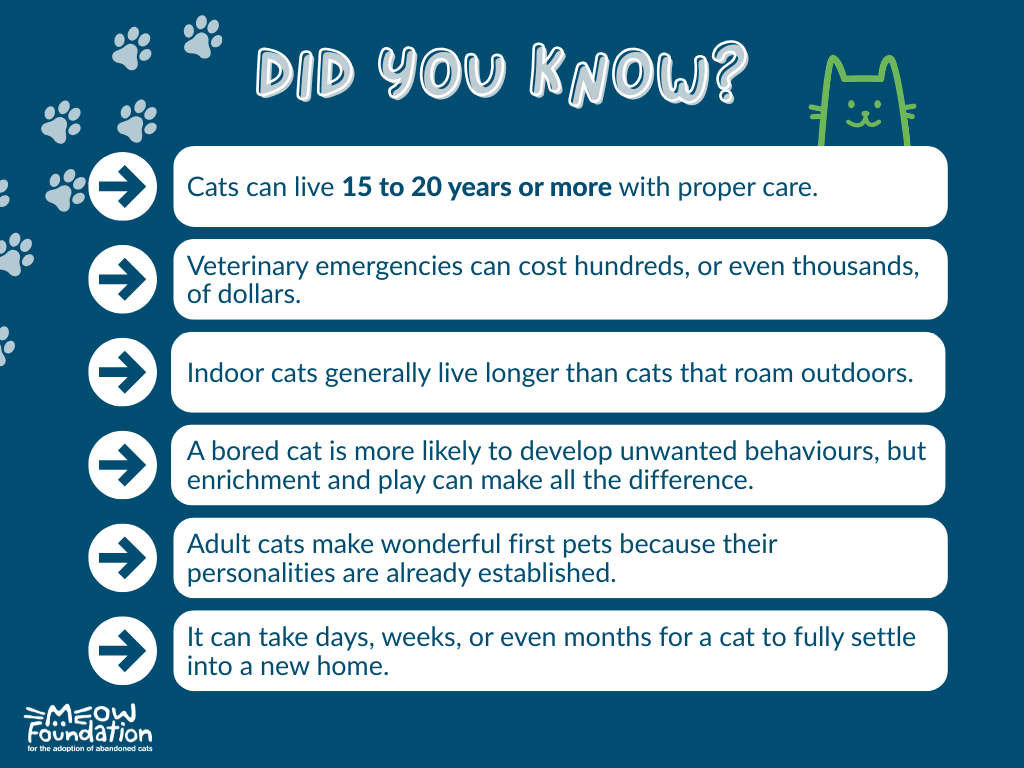
Cats are often seen as independent, low-maintenance pets, but that reputation can be misleading. Like any companion animal, they rely on us for their health, safety, and happiness every single day. From daily care and enrichment to unexpected veterinary expenses and a commitment that can last 15 to 20 years or more, adopting a cat is a decision that deserves careful thought.
If you’re considering adoption, here are a few questions to ask yourself before taking the next step.
Questions to Ask Yourself Before You Adopt
There are no right or wrong answers here—these questions are simply meant to help you think about whether now is the right time to welcome a cat into your life.
Ask yourself:
- Can I comfortably afford both routine and unexpected veterinary expenses?
- Am I prepared to care for a cat for the next 15 to 20 years?
- Am I prepared for some interrupted sleep due to meowing or activity, especially when adopting kittens?
- Do I have time every day for feeding, litter box cleaning, playtime, and companionship?
- Is everyone in my household on board with bringing home a cat?
- Have I thought about who will care for my cat if I’m away?
- Is my home safe and suitable for a curious feline?
- Am I committed to keeping my cat indoors or providing safe, supervised outdoor enrichment?
If you answered “not yet” to any of these questions, that’s okay. Choosing to wait until you’re fully prepared is one of the most responsible decisions you can make—for both you and your future cat.
MYTH: Cats Are Easy Pets
One of the biggest misconceptions about cats is that they’re “easy” pets.
While it’s true that cats don’t need daily walks like dogs, they still require consistent care, attention, and enrichment. They depend on their people for nutritious food, fresh water, clean litter boxes, regular veterinary care, exercise, and mental stimulation.
Cats are also incredibly unique. Some are social butterflies who want to greet every visitor at the door, while others prefer a quiet home and affection on their own terms. Part of being a responsible cat owner is getting to know your cat’s individual personality and making sure their needs are met.
A happy cat isn’t one that’s simply fed and left alone. They need opportunities to play, explore, scratch, climb, and bond with the people they trust.
Adopting a cat isn’t just about adding a pet to your home. It’s about welcoming a new member of your family.
Can You Afford a Cat?
The adoption fee is only the beginning of the investment.
While costs vary from cat to cat, it’s important to budget for ongoing expenses, including:
- High-quality food
- Litter and litter box supplies
- Annual veterinary exams
- Vaccinations
- Emergency veterinary care
- Vacation care
- Toys and enrichment
- Scratching posts or cat trees
- Grooming supplies
- Dental care
- Pet insurance (optional, but worth considering)
Unexpected illnesses or injuries can happen at any time. Having an emergency fund, or pet insurance, can help ensure you never have to choose between your finances and your cat’s health.
Do You Have the Time?
Even the most independent cat needs daily interaction.
Cats benefit from:
- Interactive play sessions
- Grooming (especially long-haired cats)
- Daily litter box cleaning
- Feeding routines
- Health monitoring
- Quality time with their people
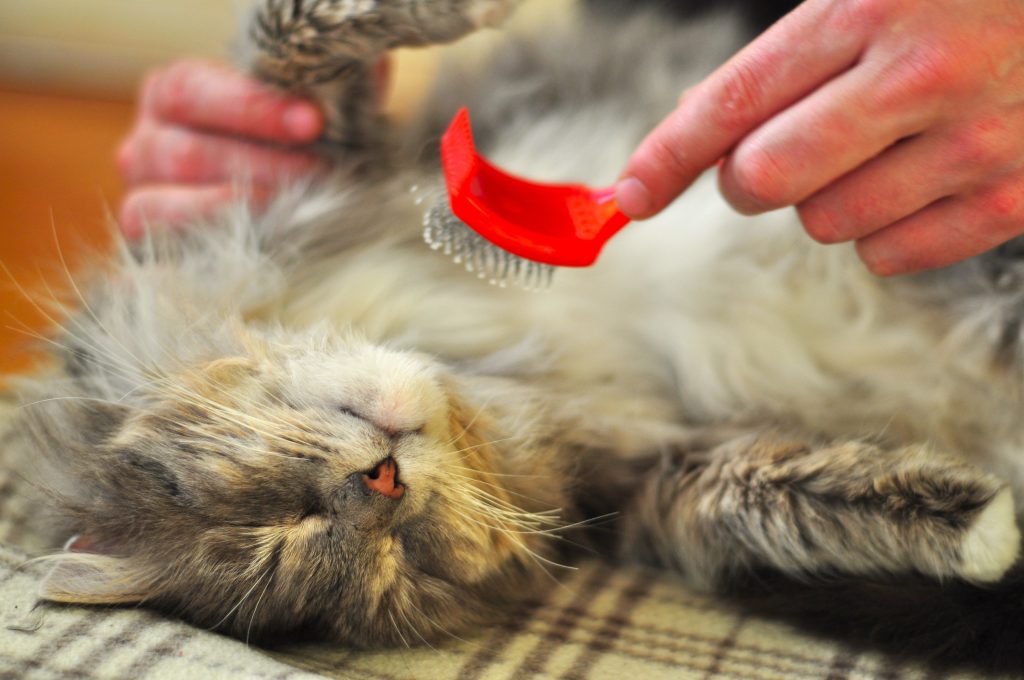
Play isn’t just fun! It provides essential exercise, prevents obesity, satisfies natural hunting instincts, and helps strengthen the bond between you and your cat.
Are You Ready for the Commitment?
Cats often live 15 to 20 years, and many live even longer with excellent care.
That means your future plans should include your cat.
Ask yourself:
- Are you prepared to care for a cat through every stage of life?
- Will you be able to move with a pet if your housing situation changes?
- Have you considered future career changes or travel?
- Are all members of your household on board?
A cat isn’t just a companion for today—they’re a commitment for many years to come.
Keeping Your Cats Safe Starts Indoors
One of the best ways to protect your cat is to keep them indoors.
While some people believe cats need to roam outside to be happy, the reality is that outdoor cats face many risks, including traffic, predators, diseases, parasites, harsh weather, and exposure to toxic substances. Outdoor cats are also more likely to become lost or injured.
Keeping your cat indoors doesn’t mean they have to miss out on adventure. There are plenty of safe ways to satisfy their natural curiosity, including:
- Window perches for bird watching
- Cat trees and climbing shelves
- Puzzle feeders and treat toys
- Daily interactive play sessions
- Scratching posts
- Catios or enclosed outdoor spaces
- Harness and leash training for supervised outdoor adventures
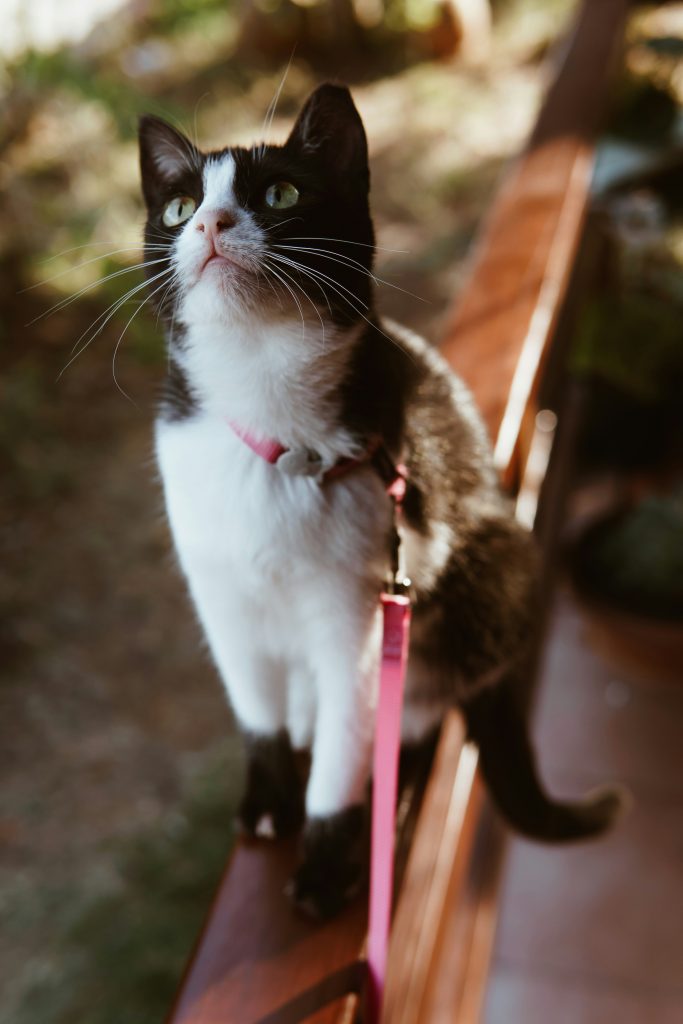
Indoor cats can live long, happy, and fulfilling lives when their physical and mental needs are met. By providing plenty of enrichment and opportunities to explore safely, you’re giving your cat the best chance at a healthy life.
As an added bonus, keeping cats indoors also helps protect local wildlife. Even well-fed cats instinctively hunt, and free-roaming cats can have a significant impact on bird and small mammal populations.
Your New Cat Checklist
✔ Food and water bowls
✔ Food (start with the same food they’re already eating before making any gradual changes)
✔ Treats
✔ Carrier
✔ Litter box and litter
✔ Litter scoop
✔ Scratching post or cat tree
✔ Comfortable bed or cozy blanket
✔ Interactive toys
✔ Brush or grooming supplies
Prepare Your Home
- Set up a quiet “safe room” where your cat can settle in during their first few days.
- Provide hiding places so they can feel secure.
- Keep food, water, and the litter box in separate areas.
- Remove toxic plants and secure loose cords or hazardous items.
- Keep windows and doors securely closed.
Many cats are overwhelmed by a new environment at first. They may hide, eat less, or seem shy for several days—or even weeks. That’s completely normal. Giving them space and allowing them to adjust at their own pace helps build trust and confidence.
Adoption is Just the Beginning
At MEOW Foundation, we’re committed to setting both cats and adopters up for success.
Our team takes the time to get to know every cat’s personality and helps match them with the home that best fits their needs. We also know that questions don’t stop after adoption, which is why we’re always happy to offer guidance and support as your new family member settles in.
The most successful adoptions happen when people prepare not just their homes—but their expectations, too.
If you’re ready for the commitment, cat ownership is one of life’s greatest joys. The purrs, the head boops, the zoomies, and the quiet moments curled up on the couch are more than worth it.
When you’re ready, we’ll be here to help you find your perfect match.